

AI in Pharmaceutical Production
EXPLORING THE FUTURE OF PHARMA MANUFACTURING
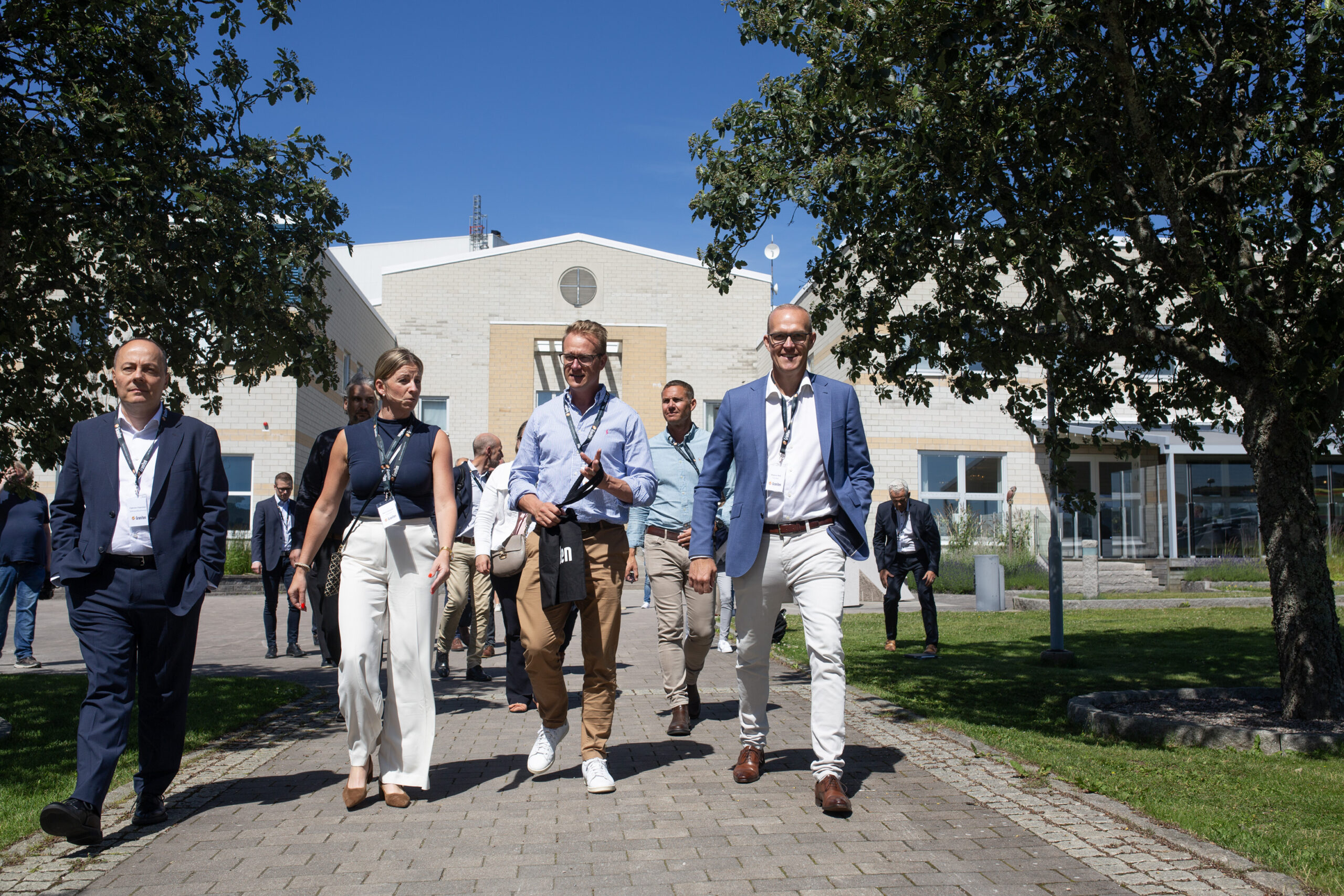
In June, customers, partners, and industry experts gathered on Sweden’s west coast for the Graniten Symposium 2026, where this year’s theme focused on one of the most transformative topics in our industry: AI in Pharmaceutical Production.
Through presentations, discussions, and networking opportunities, participants explored how artificial intelligence is beginning to reshape healthcare, engineering, automation, and pharmaceutical manufacturing. While each speaker brought a unique perspective, a common message emerged throughout the day:
AI is no longer just a future opportunity.
It is becoming a practical tool that can create real value across the pharmaceutical industry.
Healthcare and Research in the Age of AI
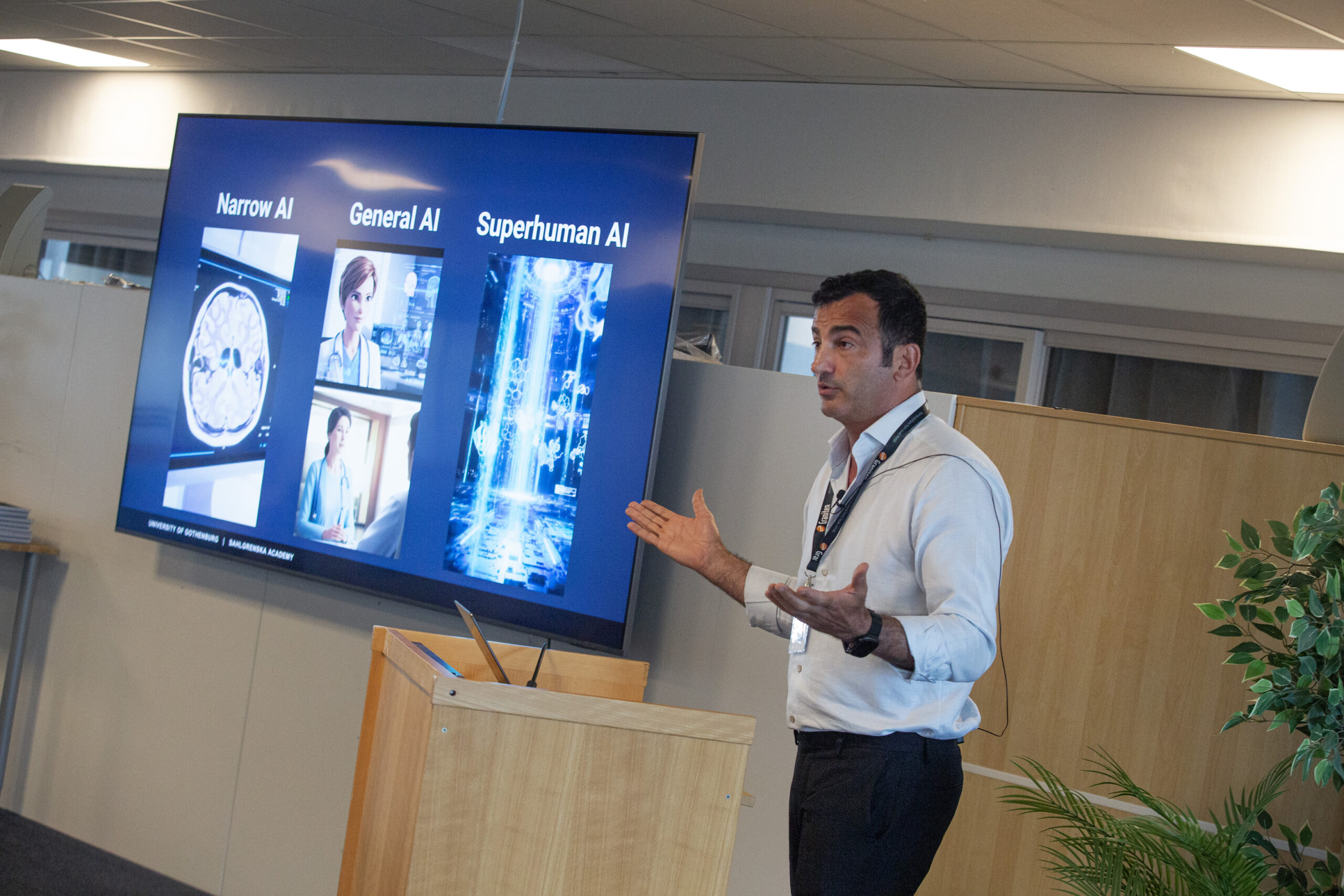
Professor Kristian Samuelsson, University of Gothenburg and Sahlgrenska University Hospital, shared perspectives on how digitalization and AI are transforming healthcare and medical research. As healthcare systems generate increasing amounts of data, AI has the potential to support better decision-making, accelerate research, and improve patient outcomes.
His presentation highlighted the importance of combining technology with expertise and trust to successfully integrate AI into real-world healthcare applications.
Perhaps the most profound insight was that AI fundamentally changes the limits of discovery. Instead of testing a handful of hypotheses, researchers can now explore millions of potential solutions simultaneously. What may previously have taken years of laboratory work, or remained beyond human capacity altogether, can be evaluated in an extraordinarily short time. This opens the door to finding treatments, drug candidates, and medical breakthroughs that would otherwise never have been discovered.
From Faster Research to More Flexible Manufacturing
One important conclusion from the symposium was that AI will not only transform how medicines are discovered and developed. It will also change how they are manufactured.
As healthcare becomes more data-driven and therapies become more specialized, pharmaceutical manufacturers will need to adapt to a market with more medicine launches, more niche segments and smaller production volumes. This creates a shift from traditional high-volume production towards flexible, modular, and highly automated manufacturing environments.
For the industry, this means that fast changeovers, validated processes, trusted production data, and scalable automation will become increasingly important. The ability to adapt quickly, while maintaining compliance and patient safety, will be a key competitive advantage.
Engineering Compliance and Innovation
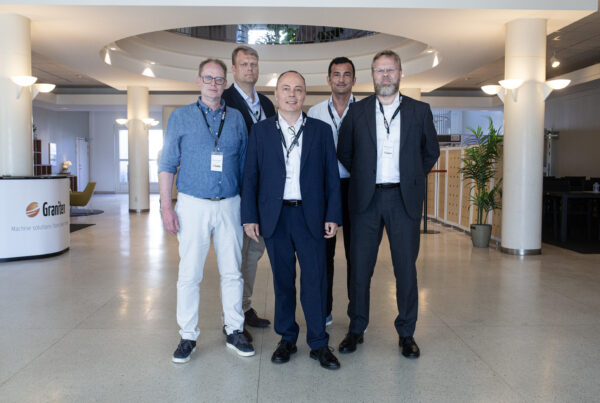
Fabrizio Franchini, Global Lead, Engineering Compliance at Johnson & Johnson, focused on the challenge of introducing innovative technologies while maintaining the high compliance and quality standards required within pharmaceutical manufacturing.
As AI continues to evolve, organizations must establish governance structures and best practices that enable innovation without compromising patient safety, validation requirements, or operational excellence. His presentation reinforced that compliance and innovation must work hand in hand to achieve sustainable progress.

AI Validation and Regulatory Readiness
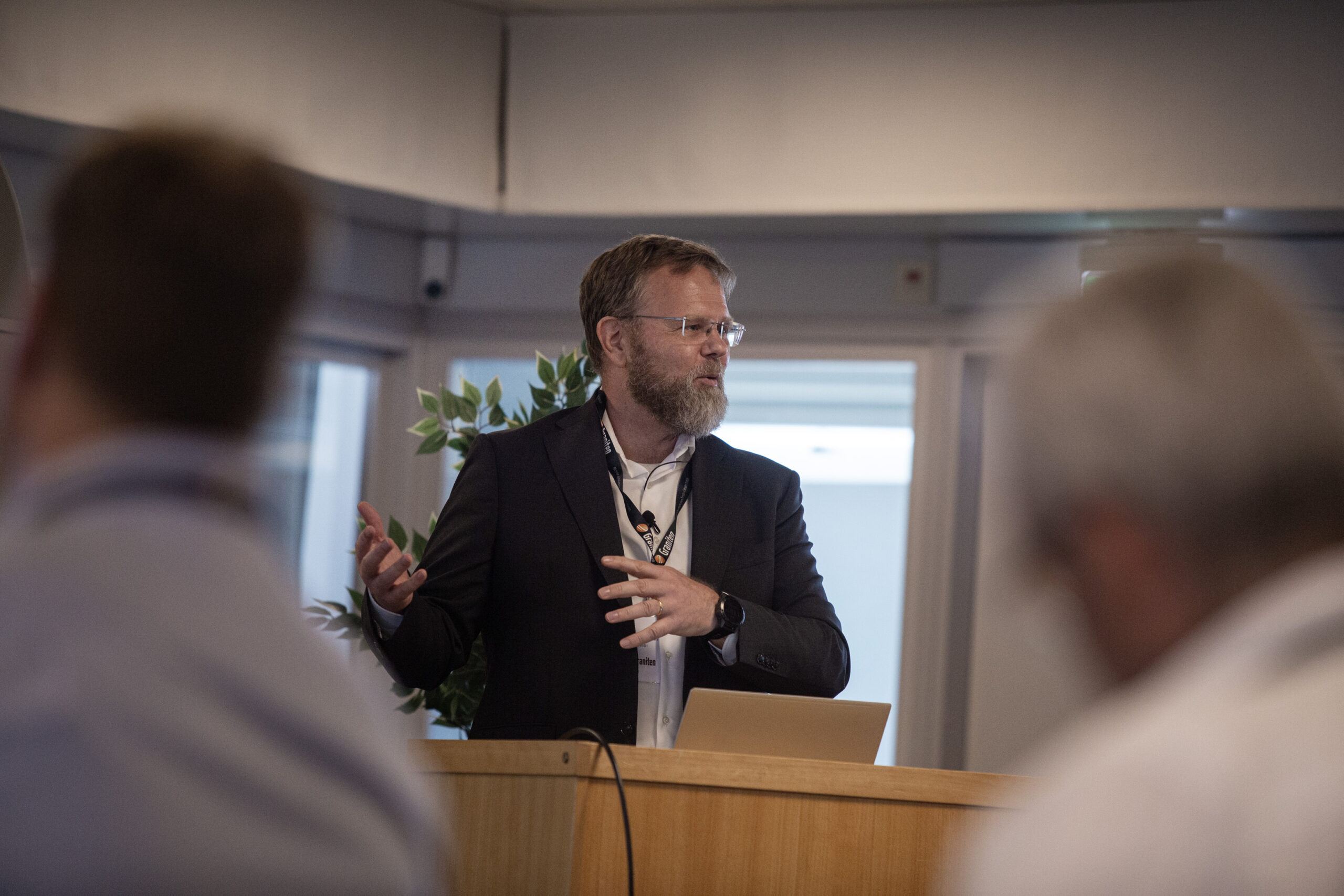
Massimo Frasson, CEO and General Manager of Brevetti-CEA, shared insights into the growing role of AI within inspection systems and pharmaceutical manufacturing processes. He addressed how emerging regulatory frameworks are helping organizations adopt AI responsibly while maintaining quality and compliance.
The presentation demonstrated how AI can improve efficiency, reduce manual effort, and support better decision-making when implemented using a risk-based and validated approach.
Machine Learning in Industrial Automation
Martin Strömberg, Business Development Engineer at Beckhoff Automation, showcased how machine learning is already being integrated into industrial automation solutions. AI-driven technologies are creating new opportunities to optimize processes, improve performance, and unlock insights that were previously difficult to access.
His presentation illustrated that AI is rapidly moving from theory to practical implementation across manufacturing environments.

Building the Foundation for AI Success
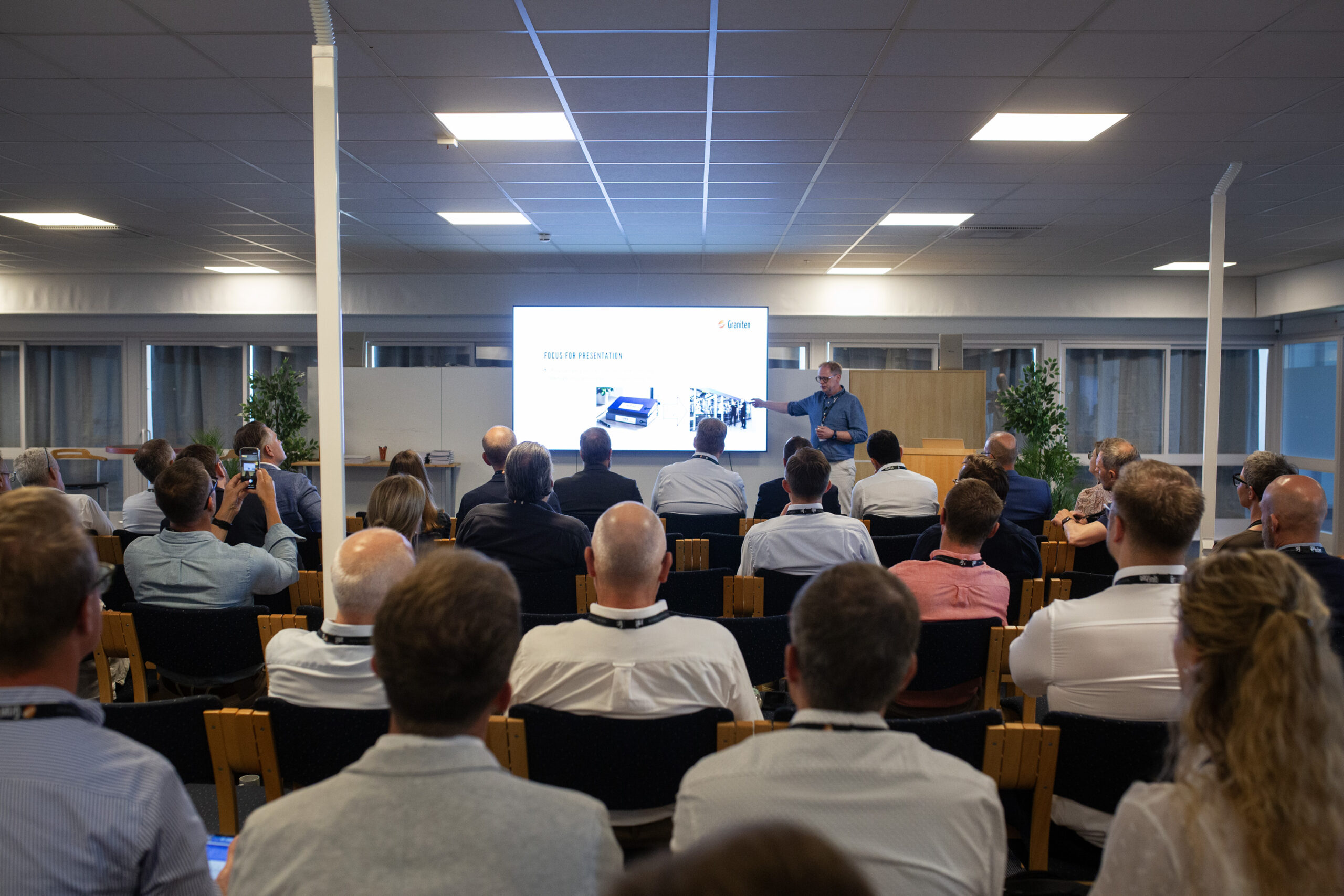
Daniel Brännwik, Technology Manager at Graniten, addressed a challenge that many organizations face on their AI journey: Information Quality.
Many companies struggle with duplicate content, outdated documentation, unclear ownership, and the absence of a reliable source of truth. These issues become significant obstacles when implementing AI solutions.
As highlighted during the presentation:
“You can’t automate what you can’t trust.”
The message was clear: successful AI adoption starts with structured, accessible, and trustworthy information.
Key Takeaways from the Symposium – Turning Data into Business Value
The symposium concluded with a panel discussion moderated by Magnus Wall, CEO of Graniten.

Several common themes emerged throughout the day:
- AI is becoming a strategic necessity for organizations looking to improve competitiveness, efficiency, and quality.
- Trusted data is the foundation of successful AI initiatives. Without reliable information, even the most advanced AI solutions will struggle to deliver value.
- Compliance and innovation must evolve together. As AI enters regulated environments, validation, governance, and quality remain essential
- Flexible manufacturing will become increasingly important. As AI accelerates healthcare innovation and supports more specialized medicines, manufacturers will need production systems that can manage more products, smaller batches and faster changeovers.
- Collaboration accelerates progress. The future of AI in pharmaceutical production will be shaped through cooperation between manufacturers, technology providers, researchers, and healthcare professionals.
Looking Ahead
The discussions at Graniten Symposium 2026 demonstrated that AI has the potential to transform pharmaceutical production in the years ahead. But the impact will not be limited to the factory floor. As AI and digitalization accelerate healthcare and medical research, the industry will likely see more targeted therapies, more niche medicines and faster product introductions.
This will place new demands on pharmaceutical manufacturers. Future production environments must be flexible, modular, automated, and built on trusted data. Technology alone will not be enough. Success will depend on strong governance, validated processes, regulatory readiness, and collaboration across the industry.
A sincere thank you to all speakers, partners, exhibitors, customers, and participants who contributed to making this year’s symposium such a success. We look forward to continuing the conversations and collaborations that started.
Want to learn more about the presentations, technology fair, or discussions from Graniten Symposium 2026?
Contact the Graniten team to continue the conversation.
